Buying an iPhone screen in bulk can be highly profitable for mobile repair shops, resellers, and spare-parts distributors. However, ordering the wrong display type, connector version, or model variation can lead to returns, unhappy customers, and unnecessary inventory costs.
Before placing an order for wholesale iPhone screens, it is essential to verify compatibility carefully. iPhones may look similar externally, but their screens can differ in display technology, connectors, frame design, Face ID compatibility, and even regional or generation-specific details.
This guide explains how to check iPhone screen compatibility before wholesale ordering and helps you make smarter purchasing decisions for your repair business.
Why iPhone Screen Compatibility Matters
Not every iPhone screen is interchangeable. A screen designed for one iPhone model may not work correctly on another, even if both devices have the same screen size.
For example, an iPhone 11 screen cannot be installed on an iPhone XR, despite both models having a similar display size. Their connectors, display panels, frame dimensions, and internal components are different.
Ordering incompatible screens can result in several problems:
- The screen may not turn on.
- Touch functionality may not work properly.
- Brightness or colour quality may be poor.
- Face ID or proximity sensors may stop working.
- The screen may not fit correctly into the device frame.
- Repair technicians may waste time troubleshooting avoidable issues.
For wholesalers and repair businesses, checking compatibility before ordering helps reduce returns and ensures that customers receive reliable repairs.
Understanding screen compatibility is only one part of a successful iPhone repair. If you want a broader overview of replacement screens, batteries, charging ports, cameras, and other essential components, explore our Complete Guide to iPhone Replacement Parts. It explains how different parts work together and helps repair shops and wholesale buyers make informed purchasing decisions.
Start with the Exact iPhone Model Number
The first and most important step is identifying the exact iPhone model. Do not rely only on the appearance of the device because many iPhone models look almost identical.
You can find the model number by going to:
Settings > General > About > Model Number
The model number often starts with the letter “A,” such as A2111 or A2221. This number helps identify the exact device variant.
For example:
- iPhone 11 has different model numbers depending on the region.
- iPhone 12, iPhone 12 Pro, and iPhone 12 Pro Max use different displays.
- iPhone 13 and iPhone 14 may look similar, but their screen assemblies are not always compatible.
- iPhone SE models can have a similar design to older iPhones but may still have different internal screen components.
When ordering wholesale iPhone screens, always ask your supplier for a clear compatibility chart based on exact model names and model numbers.
Check the Display Technology: LCD or OLED
Another major factor is display technology. iPhones generally use either LCD or OLED displays.
Older and lower-tier models often use LCD screens, while premium and newer models usually use OLED screens.
LCD iPhone Screens
LCD displays are commonly found in models such as:
- iPhone 6 series
- iPhone 7 series
- iPhone 8 series
- iPhone XR
- iPhone 11
- iPhone SE series
LCD screens are usually more affordable and are popular for cost-effective repairs.
OLED iPhone Screens
OLED displays are commonly used in:
- iPhone X
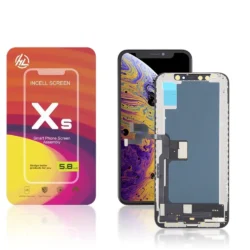
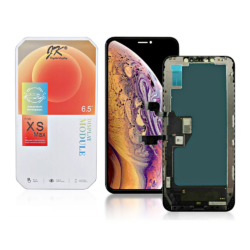
- iPhone XS and XS Max
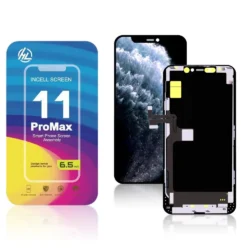
- iPhone 11 Pro and 11 Pro Max
- iPhone 12 series
- iPhone 13 series
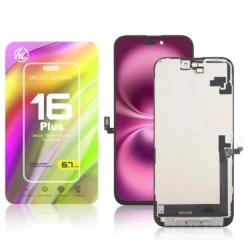
- iPhone 14 series
- iPhone 15 series and newer models
An OLED iPhone screen offers deeper blacks, brighter colours, and better contrast than standard LCD displays. However, OLED screens are generally more expensive.
Never replace an OLED screen with a low-quality LCD conversion unless the customer understands the compromise. LCD conversions may reduce display quality, affect battery usage, and impact touch response.
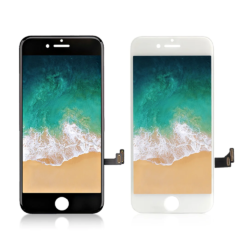
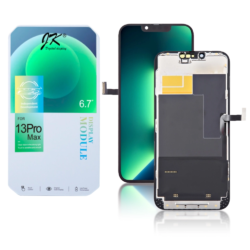
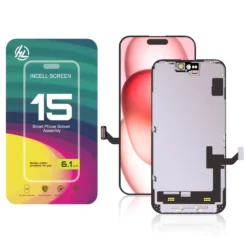
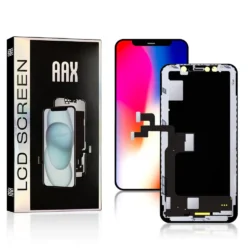
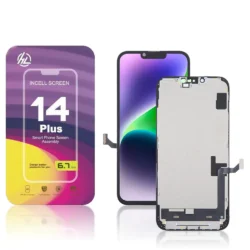
Replacement iPhone 7 LCD Module Display and Touch Screen Digitizer Assembly
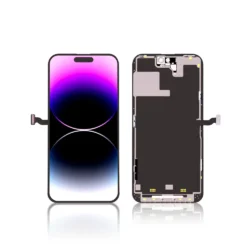
Compare Screen Size and Physical Dimensions
Screen size is useful, but it should never be the only factor used to check compatibility.
For example, two different iPhone models may both have a 6.1-inch display, but the screen assemblies can still be completely different. The notch size, connector position, flex cable layout, and frame shape may vary.
Before wholesale ordering, confirm:
- Display size in inches
- Screen assembly dimensions
- Frame design
- Notch or Dynamic Island layout
- Flex cable position
- Connector layout
- Earpiece speaker position
- Front camera sensor placement
A small difference in the flex cable design can make an iPhone screen unusable for another model.
Check the Connector and Flex Cable Layout
Every screen assembly connects to the iPhone motherboard through flex cables. These flex cables carry signals for the display, touch function, sensors, and front camera components.
When checking an iPhone screen, compare the connector layout with the original damaged screen. Pay attention to:
- Number of display connectors
- Connector size and shape
- Flex cable location
- Sensor flex cable position
- Earpiece speaker bracket design
This is especially important when ordering screens for iPhone X and newer models. These devices often have complex front sensor assemblies linked to Face ID functionality.
If the screen assembly does not match correctly, the display may work but Face ID, auto-brightness, proximity sensor, or True Tone features may be affected.
Understand Face ID and True Tone Considerations
Modern iPhones include important screen-related features such as Face ID and True Tone.
Face ID is connected to the original front sensor system. If the sensor flex cable is damaged or transferred incorrectly during repair, Face ID may stop working. Therefore, repair technicians need to transfer the original components carefully.
True Tone is another feature that adjusts screen colours based on ambient lighting. After a screen replacement, True Tone may disappear unless the replacement display is programmed correctly.
When purchasing wholesale iPhone screens, ask whether the screens support:
- True Tone programming
- Original proximity sensor transfer
- Face ID-compatible installation
- High brightness output
- Original-style colour calibration
High-quality replacement screens can make a major difference in the final repair result.
Also check: How to Reduce Returns When Buying Phone Parts Wholesale
Choose the Right Screen Quality Grade
Not all replacement screens are manufactured at the same quality level. Suppliers may offer several grades of iPhone displays.
Common screen categories include:
Original Pulled Screens
These are genuine screens removed from used iPhones. They usually provide excellent display quality but may have minor cosmetic marks or limited availability.
OEM Quality Screens
OEM-quality screens are manufactured to closely match original display standards. They are often preferred by repair shops that want a balance between quality and price.
Premium Aftermarket Screens
Premium aftermarket screens are designed for good brightness, touch response, and durability. They are usually more affordable than original screens.
Standard Aftermarket Screens
These are lower-cost options that may be suitable for budget repairs. However, quality can vary significantly between suppliers.
Before placing a large order, request samples. Test brightness, touch sensitivity, colour accuracy, frame fitment, and durability. This is one of the best ways to avoid problems with wholesale stock.
Confirm Whether You Need Screen-Only or Screen-with-Frame Assemblies
An iPhone screen may be sold in two main formats:
- Screen-only display assembly
- Screen assembly with frame
A screen-only replacement requires the technician to remove the damaged display from the original frame. This can be more time-consuming and may require advanced repair tools.
A screen-with-frame assembly includes the display already installed in a new frame. This option can make repairs quicker and reduce the risk of damaging components during installation.
For high-volume repair operations, frame assemblies may save labour time. However, they can be more expensive and require careful model verification.
Work with a Reliable Wholesale Supplier
A reliable supplier should provide detailed product specifications, compatibility information, quality grading, and return support.
Before selecting a supplier for wholesale iPhone screens, ask these questions:
- Which iPhone models is this screen compatible with?
- Is it LCD, OLED, soft OLED, or hard OLED?
- Does it support True Tone programming?
- Is the frame included?
- What quality grade is the screen?
- Is there a warranty for dead pixels or touch issues?
- Can you provide product samples before bulk ordering?
- What is the return policy for incompatible or defective units?
At Boltify Limited, sourcing the correct replacement display should always begin with accurate model identification and supplier verification. A well-organised screen inventory helps repair businesses deliver faster, more reliable service to their customers.
Final Thoughts
Checking iPhone screen compatibility before ordering is not just a technical step; it is an important business decision. A compatible, high-quality screen helps reduce returns, protects your reputation, and improves customer satisfaction.
Always verify the exact iPhone model, display type, flex cable layout, screen quality grade, and special feature support before placing a bulk order. Test samples where possible and work with suppliers that provide clear specifications.
By following these steps, your business can confidently source the right iPhone screen products and make better decisions when purchasing wholesale inventory.
FAQs – iPhone Screen Compatibility & Wholesale Ordering
1. How do I know which iPhone screen is compatible with my device?
Check your iPhone’s exact model number in Settings > General > About. Match it with the supplier’s compatibility list before ordering any iPhone screen.
2. Can I use any iPhone screen on different models?
No. Even similar-looking models often use different connectors, display types, and dimensions. Using the wrong screen can cause touch or display issues.
3. What is the difference between LCD and OLED iPhone screens?
LCD screens are more affordable and used in older models, while OLED screens offer better contrast, brightness, and color accuracy and are used in newer iPhones.
4. Are all wholesale iPhone screens the same quality?
No. wholesale iPhone screens come in different grades like original pulled, OEM quality, and aftermarket versions. Quality varies by supplier.
5. What is the best quality iPhone screen for repair businesses?
OEM or original pulled screens are preferred because they offer better performance, color accuracy, and reliability for customers.
6. Does screen replacement affect Face ID or True Tone?
Face ID may be affected if front sensors are damaged or not transferred properly. True Tone may also be lost unless it is reprogrammed after installation.
7. Why is screen compatibility important in wholesale buying?
Incorrect screen compatibility leads to returns, repair failures, and customer dissatisfaction. It also increases business costs.
8. Where can I buy reliable wholesale iPhone screens?
You should always buy from trusted suppliers like Boltify Limited, who provide proper compatibility details, quality grading, and warranty support.