Complete Guide to iPhone Replacement Parts: Screens, Batteries, Charging Ports, Cameras & Accessories
Whether you’re repairing a damaged iPhone, managing a mobile phone repair shop, running an online accessories store or purchasing replacement parts in bulk, choosing the right iPhone replacement parts is one of the most important decisions you’ll make.
A single incompatible component can lead to display issues, battery problems, charging failures or Face ID malfunctions. On the other hand, selecting high-quality replacement parts improves repair success, reduces customer returns and extends the lifespan of every repaired device.
Modern iPhones are built with advanced technology, and each model contains dozens of interconnected components. From OLED displays and lithium-ion batteries to charging ports, cameras, speakers and internal flex cables, every part plays a critical role in overall device performance. Understanding what each component does and how to choose the correct replacement can save both time and money.
This guide has been created for repair technicians, retailers, wholesalers and everyday iPhone users looking for reliable information before purchasing replacement parts. Instead of focusing on a single component, this comprehensive guide explains the complete iPhone parts ecosystem, helping you understand compatibility, quality differences and buying considerations before placing an order.
Throughout this guide, you’ll also discover expert buying tips, common mistakes to avoid and links to detailed articles covering specific iPhone components in greater depth.
What Are iPhone Replacement Parts?
iPhone replacement parts are individual hardware components designed to repair damaged, worn-out or malfunctioning Apple devices. Rather than replacing the entire phone, technicians can replace the faulty component, restoring the device to full working condition.
Replacement parts are commonly used after accidental drops, liquid damage, battery degradation or normal wear and tear. As iPhones become more expensive each year, repairing individual components has become a practical and cost-effective solution for both consumers and businesses.
Some repairs are relatively straightforward, such as replacing a battery or charging port, while others require specialist tools and technical expertise. Regardless of the repair type, using compatible and high-quality parts is essential to maintain the device’s reliability and performance.
Today’s repair industry offers a wide variety of replacement components, including displays, batteries, cameras, speakers, microphones, charging ports, flex cables, buttons and housing parts. Understanding the purpose of each component helps buyers choose the correct replacement while avoiding compatibility issues.
Why Choosing the Right iPhone Replacement Parts Matters
Not all replacement parts are manufactured to the same standard. While many products may appear identical, differences in materials, manufacturing quality and compatibility can significantly affect repair results.
Low-quality parts often lead to problems such as:
- Reduced display brightness
- Poor touch sensitivity
- Rapid battery drain
- Charging instability
- Camera focusing issues
- Face ID incompatibility
- Short product lifespan
- Increased customer returns
For repair businesses, poor-quality components can also damage customer trust and increase warranty claims. Choosing reliable replacement parts helps improve repair success rates while reducing long-term costs.
Compatibility is another major factor. Apple releases multiple iPhone models every year, and many components are designed specifically for individual devices. Even phones that look similar externally may use completely different internal connectors, display technologies or battery specifications.
Before purchasing any replacement part, always confirm the exact iPhone model to ensure compatibility. If you’re unsure which iPhone you own, our guide on How to Find Out What iPhone You Have Before Buying Parts explains several simple methods to identify your device accurately before ordering replacement parts. Identifying the correct model first can prevent ordering errors, avoid compatibility issues and make the repair process much smoother.
Understanding the Main Types of iPhone Replacement Parts
An iPhone contains dozens of individual hardware components, each performing a specific function. Some parts experience more wear than others, making them the most commonly replaced components in both consumer and professional repairs.
The main categories of iPhone replacement parts include:
iPhone Screens
The display is one of the most frequently replaced components due to accidental drops and impact damage. Modern iPhones use advanced OLED and LCD technologies, each offering different levels of brightness, colour accuracy and durability.
Choosing the correct replacement screen requires more than simply matching the model number. Display quality, touch responsiveness, compatibility and manufacturing standards all play an important role in repair quality. If you’re comparing display technologies, read our detailed guide on How to Choose the Best iPhone Screen: LCD vs OLED Explained to understand the differences between OLED, Soft OLED, Hard OLED and LCD replacement screens.
Before purchasing a replacement display, it’s equally important to verify compatibility with your exact iPhone model. Our guide on How to Check iPhone Screen Compatibility Before Wholesale Ordering explains how to avoid ordering the wrong screen for your device.
In the next section of this guide, we’ll explore display technologies, screen quality grades, compatibility checks and buying recommendations in more detail.
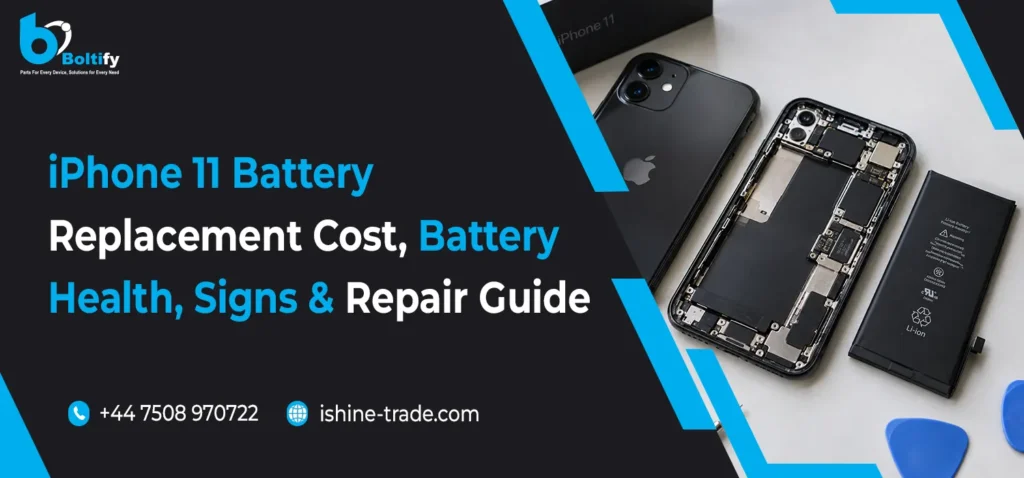
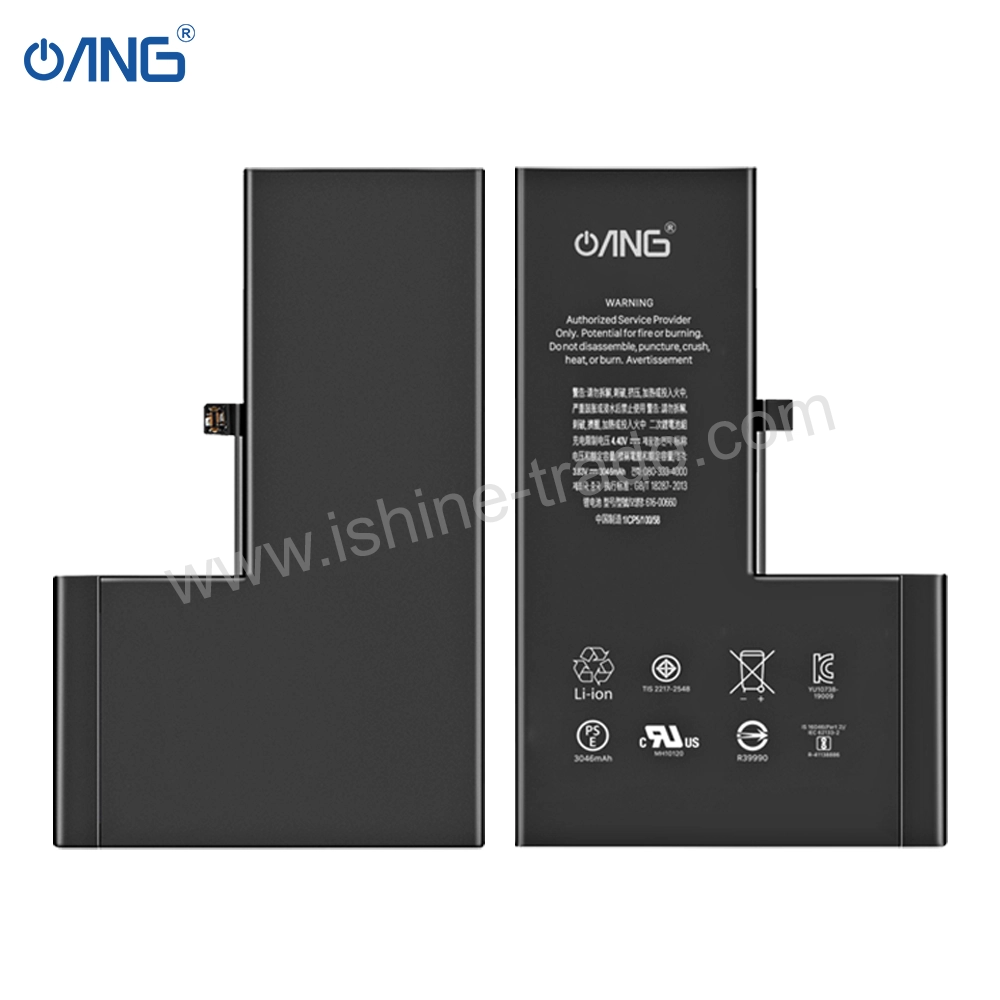
iPhone Batteries
Every rechargeable battery gradually loses capacity over time. As battery health declines, users may notice shorter battery life, slower performance or unexpected shutdowns. If you’d like to understand how battery capacity affects daily performance, our iPhone 12 Pro Battery Guide: Capacity, Battery Life, Replacement & Buying Tips explains battery health, lifespan and replacement considerations in detail.
Replacing a worn battery restores performance and extends the usable life of the device without requiring a full replacement. Users often delay battery replacement because they are unsure of the cost, but our iPhone 13 Battery Replacement Cost in the UK guide provides a helpful overview of the factors that influence replacement pricing.
High-quality batteries provide better safety, stable power delivery and longer service life compared to lower-grade alternatives. For a broader look at battery pricing, savings and replacement advice across different iPhone models, read our iPhone Battery Replacement Cost: Latest Prices, Factors & Savings Tips guide.
iPhone Charging Ports
Charging issues are among the most common repair requests. A faulty charging port can prevent the phone from charging, connecting to a computer or supporting accessories. If you’re planning to repair a damaged connector, our How to Replace iPhone 15 Charging Port: Step-by-Step Guide walks you through the replacement process and key precautions.
In many cases, replacing the charging flex assembly restores full functionality. However, not every charging issue requires a replacement. Our Common iPhone 14 Charging Port Issues and How to Fix Them guide explains how to identify common faults and determine whether cleaning, troubleshooting or a replacement is the right solution.
iPhone Cameras
The camera system has become one of the biggest selling points of modern iPhones. Apple continuously improves camera technology with features such as Night Mode, Portrait Mode, Optical Image Stabilisation (OIS), Cinematic Mode and high-resolution sensors. Because of this complexity, replacing a damaged camera requires careful attention to compatibility and quality.
Camera problems can occur after accidental drops, water damage or internal hardware failure. Common symptoms include blurry images, focusing issues, black camera screens, camera shaking or an app that refuses to open.
Water damage can affect not only the camera system but also other internal iPhone components. If your device has suffered liquid exposure, follow the recommended steps to fix a water damaged iPhone and understand the best methods to restore its functionality.
A replacement camera should always match the exact iPhone model. Even devices that appear similar can use different sensors and connectors, making compatibility essential.
Professional repair shops often recommend testing both the front and rear cameras before completing a repair to ensure all camera functions operate correctly.
If your business regularly repairs iPhones, keeping quality camera modules in stock can reduce turnaround time and improve customer satisfaction.
Common Camera Problems
- Blurry or out-of-focus photos
- Black camera display
- Camera app crashing
- Image stabilisation failure
- Dust inside the lens
- Physical lens damage
- Flash not working correctly
Choosing a reliable replacement camera helps restore image quality while reducing repeat repairs.
Face ID Components
Face ID is one of the most advanced security systems used in iPhones. Unlike a simple front camera, Face ID relies on several precision components working together.
These include:
- Infrared Camera
- Flood Illuminator
- Dot Projector
- Ambient Light Sensor
- Proximity Sensor
- Front Camera Assembly
If any of these components are damaged during a repair, Face ID may stop working.
For this reason, technicians should always follow recommended repair procedures and avoid unnecessary damage to original components whenever possible.
High-quality replacement flex assemblies can restore many front sensor functions, but some Face ID components remain paired to the original device.
Understanding these limitations before ordering replacement parts can help avoid unnecessary costs and customer disappointment.
Speakers and Audio Components
Clear audio is essential for calls, media playback and voice recordings. iPhones contain multiple speakers and microphones, each performing a specific task.
Common audio-related replacement parts include:
- Ear Speaker
- Loud Speaker
- Bottom Microphone
- Noise-Cancelling Microphone
- Speaker Mesh
- Audio Flex Cable
Signs that these components may need replacing include:
- Distorted sound
- Low speaker volume
- Crackling audio
- Microphone not working
- No sound during phone calls
Replacing worn or damaged audio components can restore excellent sound quality while extending the usable life of the device.
Flex Cables and Internal Connectors
Although they are rarely visible to users, flex cables are among the most important components inside every iPhone.
These flexible ribbon cables connect essential hardware such as:
- Charging Ports
- Buttons
- Cameras
- Displays
- Speakers
- Sensors
- Wireless Charging Components
Because flex cables are thin and delicate, they can become damaged during impact or improper repairs.
Using model-specific replacement flex cables ensures stable communication between components and prevents unexpected hardware failures after repair.
Buttons and External Components
Daily use places constant stress on physical buttons. Over time, power buttons, volume buttons and mute switches may become less responsive or stop working completely.
Replacement button assemblies can restore normal operation without replacing the entire housing.
Common replacement parts include:
- Power Button Flex
- Volume Button Flex
- Mute Switch Flex
- SIM Tray
- Side Buttons
- Camera Lens Covers
Although these parts are relatively small, they contribute significantly to the overall user experience.
Why High-Quality Replacement Parts Make a Difference
Whether you’re repairing one device or purchasing hundreds of components for your business, quality should always be a priority.
Premium replacement parts generally provide:
- Better compatibility
- Longer lifespan
- Improved reliability
- Higher customer satisfaction
- Fewer warranty claims
- Lower return rates
- More professional repair results
Cheap replacement parts may reduce the initial purchase cost, but they often increase long-term expenses through repeat repairs and customer complaints.
For repair shops and wholesalers, investing in reliable components protects both reputation and profitability.
Choosing a Reliable Wholesale Supplier
Finding a trusted supplier is just as important as selecting the correct replacement part. Even the highest-quality repair depends on using compatible components sourced from a reliable supplier.
A professional supplier should offer:
- Wide model compatibility
- Consistent product quality
- Accurate product descriptions
- Reliable stock availability
- Fast UK delivery
- Competitive wholesale pricing
- Responsive customer support
- Warranty-backed products
If you’re purchasing parts for a repair business or retail operation, choosing a reliable supplier can simplify inventory management and improve repair success rates. Explore our range of Wholesale iPhone Screen Supplier UK solutions to find high-quality replacement screens designed for a wide range of iPhone models. Working with an experienced supplier helps reduce sourcing issues while ensuring consistent product quality, competitive pricing and dependable stock availability.
How This Guide Will Help You
This guide has been designed to become your central resource for understanding iPhone replacement parts.
Rather than covering only one repair topic, it connects together every major component involved in repairing and maintaining an iPhone. Whether you’re replacing a cracked screen, worn battery, damaged charging port or faulty camera, you’ll find the information you need to make informed purchasing decisions.
Throughout this guide, you’ll also find links to detailed articles that explain specific repairs, compatibility checks and buying advice in greater depth.
By using this guide alongside our individual repair resources, you’ll be able to choose the right parts with confidence, avoid common compatibility issues and keep your repairs running smoothly.
Understanding iPhone Replacement Screens
A damaged screen is one of the most common reasons why iPhone users seek professional repairs. Whether the device has been dropped, exposed to pressure or suffered accidental impact, the display is usually the first component to be affected. Because the screen is the primary way users interact with their device, even minor damage can make an iPhone difficult or impossible to use.
Modern iPhone displays are far more advanced than they were a few years ago. Apple has introduced technologies such as Retina Display, Super Retina XDR, OLED panels, Ceramic Shield protection and ProMotion on selected models, all designed to deliver sharper visuals, smoother performance and improved durability. While these innovations enhance the user experience, they also make choosing the correct replacement screen more important than ever.
Not every replacement screen offers the same level of quality. Differences in display technology, touch sensitivity, colour accuracy, brightness and durability can significantly affect the overall repair result. This is why understanding the available screen options before making a purchase is essential for repair technicians, wholesalers, retailers and individual buyers alike.
If you’re replacing a screen for personal use or buying components in bulk for your repair business, investing in compatible, high-quality replacement screens helps reduce installation problems, minimise customer returns and improve long-term device performance.
Why iPhone Screens Are the Most Frequently Replaced Component
Unlike internal components that remain protected inside the phone, the display is exposed every day. It experiences constant contact, accidental drops, pressure inside pockets or bags and everyday wear. Even with stronger glass protection, screen damage remains one of the most common smartphone repair issues worldwide.
Some of the most common reasons for screen replacement include:
- Cracked or shattered front glass
- Black or blank display
- Unresponsive touch screen
- Dead pixels or coloured lines
- Screen flickering
- Display bleeding or dark spots
- Ghost touch issues
- Green or white screen problems
- Water damage affecting the display
- Impact damage after accidental drops
In many cases, the internal phone continues working normally while only the display assembly requires replacement. Replacing the screen is often far more cost-effective than replacing the entire device, making it the preferred solution for both consumers and repair businesses. If you’re repairing an older model, our iPhone 11 Screen Replacement: Everything You Need to Know Before Repair guide explains the common causes of screen damage, replacement options and what to consider before buying a new display.
Different Types of iPhone Replacement Screens
One of the biggest mistakes buyers make is assuming that every replacement screen is identical. In reality, several display technologies are available, each offering different levels of quality, durability and pricing.
Understanding these differences allows buyers to choose the right screen for their budget and repair requirements.
OLED Screens
OLED (Organic Light-Emitting Diode) displays are widely regarded as the premium option for modern iPhones. Unlike LCD panels, OLED technology allows each pixel to emit its own light, producing deeper blacks, higher contrast ratios and more vibrant colours.
Advantages of OLED screens include:
- Excellent colour accuracy
- Deep black levels
- High contrast
- Lower power consumption on dark interfaces
- Better outdoor visibility
- Smooth user experience
OLED replacement screens are often the preferred choice for flagship iPhone models because they closely replicate the original display quality.
Soft OLED Screens
Soft OLED displays are manufactured using flexible materials, making them more resistant to minor impacts and easier to install during repairs.
Many professional technicians prefer Soft OLED because it offers:
- Excellent display quality
- Improved flexibility
- Better durability
- Reduced risk of installation damage
- Closer performance to original Apple displays
Although Soft OLED screens usually cost more than standard LCD options, they provide a premium repair experience that many customers expect.
Hard OLED Screens
Hard OLED displays use a rigid glass substrate instead of a flexible one. They still provide vibrant colours and sharp visuals but are generally more fragile than Soft OLED alternatives.
Benefits include:
- Better image quality than LCD
- Competitive pricing
- Good brightness levels
- Suitable for budget-conscious repairs
However, repair technicians should handle Hard OLED displays carefully during installation to avoid accidental damage.
LCD Screens
LCD (Liquid Crystal Display) replacement screens remain popular because they offer an affordable repair solution for many older iPhone models.
Benefits include:
- Lower purchase cost
- Reliable performance
- Good availability
- Suitable for budget repairs
Although LCD displays generally provide lower contrast and less vibrant colours than OLED technology, they continue to be a practical option where affordability is the main priority. If you’re deciding between different display technologies, our How to Choose the Best iPhone Screen: LCD vs OLED Explained guide compares LCD, OLED, Soft OLED and Hard OLED screens to help you choose the best option for your repair needs.
Incell Screens
Incell displays combine the touch layer directly with the LCD panel, creating a thinner and lighter screen assembly.
Compared with traditional LCD screens, Incell technology often provides:
- Improved touch responsiveness
- Slimmer design
- Better image quality
- Competitive pricing
Many repair businesses choose Incell screens when balancing quality with affordability.
LCD vs OLED – Which Screen Should You Choose?
The best replacement screen depends on your repair goals, customer expectations and budget.
If your priority is achieving display quality close to the original iPhone screen, OLED or Soft OLED replacements are generally the preferred option. They deliver richer colours, deeper blacks and better viewing angles, making them ideal for premium repairs.
If you’re repairing an older device or looking for a more cost-effective solution, LCD or Incell displays may provide excellent value while still delivering reliable performance for everyday use.
Professional repair shops often stock multiple screen types to meet different customer requirements, allowing them to offer both premium and budget-friendly repair options.
Screen Compatibility: Why It Matters Before Buying
One of the biggest reasons for failed iPhone repairs is purchasing an incompatible replacement screen. While many iPhone models look almost identical from the outside, their internal connectors, display technologies and hardware configurations can differ significantly. Installing the wrong screen may result in touch issues, display errors or a screen that doesn’t work at all.
Before ordering any replacement screen, always verify the exact iPhone model. This simple step reduces ordering mistakes, prevents unnecessary returns and ensures a smoother repair process. Our How to Check iPhone Screen Compatibility Before Wholesale Ordering guide explains the key compatibility checks every buyer and repair technician should complete before purchasing a replacement display.
Professional repair shops usually confirm:
- Exact iPhone model number
- Screen size
- Display technology (LCD or OLED)
- Connector type
- Device generation
- Regional compatibility (where applicable)
Taking a few extra minutes to verify compatibility before placing an order can save hours of troubleshooting later.
How to Identify the Correct iPhone Screen
Identifying the correct replacement screen should always be your first step before making a purchase.
The easiest way is to confirm the exact iPhone model through Settings > General > About, where the model name and model number are displayed. If the phone cannot be switched on, technicians can usually identify the model using the SIM tray markings or the model number printed on the device.
Other factors to consider include:
- Screen size
- Original display technology
- Device generation
- Frame compatibility
- Whether Face ID components need to be transferred
- Flex cable configuration
Businesses purchasing screens in bulk should create a compatibility checklist for every order to minimise errors and improve repair efficiency.
Common Mistakes When Buying iPhone Replacement Screens
Many repair problems don’t happen during installation—they begin when the wrong screen is purchased. Avoiding a few common mistakes can save time, reduce costs and improve customer satisfaction.
Buying Based on Price Alone
Choosing the cheapest screen available may seem like a good way to reduce costs, but lower-quality components often lead to display issues, poor touch performance and shorter product life.
Instead of focusing only on price, consider:
- Display quality
- Build quality
- Compatibility
- Supplier reputation
- Warranty
- Customer reviews
Ignoring Compatibility
A screen designed for one iPhone model may not fit another model correctly, even if they look almost identical.
Always confirm compatibility before ordering.
Using Low-Quality Parts
Inferior replacement screens can result in:
- Poor brightness
- Weak colour reproduction
- Delayed touch response
- Increased battery consumption
- Higher failure rates
Choosing reliable replacement parts helps maintain repair quality and customer confidence.
Purchasing from Unverified Suppliers
Reliable suppliers provide accurate product descriptions, consistent stock and dependable after-sales support.
Working with an experienced supplier helps minimise defects and reduces unnecessary returns.
Understanding Screen Quality Grades
Not every replacement screen is manufactured to the same standard. Understanding quality grades allows buyers to select products that match their repair requirements and customer expectations.
Generally, replacement screens fall into several quality levels.
Premium Quality
Designed for customers who want performance close to the original display.
Suitable for:
- Professional repair shops
- High-value repairs
- Premium customers
Standard Quality
A balanced option that offers reliable performance while remaining affordable.
Suitable for:
- General repairs
- Independent repair centres
- Retail repairs
Budget Quality
Designed primarily for cost-sensitive repairs.
While budget screens reduce the initial repair cost, they may provide lower brightness, reduced colour accuracy and a shorter lifespan.
Businesses should clearly explain quality differences to customers before installation.
Tips for Buying iPhone Screens in Bulk
Wholesale purchasing requires a different approach than buying individual replacement screens.
Instead of focusing only on price, businesses should evaluate suppliers based on long-term reliability.
Consider the following factors:
- Consistent product quality
- Large inventory availability
- Fast UK shipping
- Competitive wholesale pricing
- Product warranty
- Responsive customer support
- Accurate compatibility information
- Secure packaging
Reliable wholesale sourcing reduces delays, improves customer satisfaction and helps repair businesses operate more efficiently.
If your business regularly purchases replacement displays, working with a trusted Wholesale iPhone Screen Supplier UK can simplify stock management while ensuring access to dependable products for multiple iPhone models.
Choosing the Right Screen for Your Customers
Every customer has different expectations.
Some prefer the closest possible experience to the original Apple display, while others simply want an affordable repair that restores basic functionality.
Professional repair businesses often offer multiple repair options, allowing customers to choose based on their budget.
For example:
- Premium Repair – Soft OLED or high-quality OLED
- Standard Repair – Incell or quality LCD
- Budget Repair – Entry-level LCD replacement
Providing clear options builds customer trust while increasing the likelihood of repeat business. If you’re sourcing displays in larger quantities, our How to Buy iPhone 13 Pro Max Screens in Bulk Without Compatibility Issues guide explains how to avoid common purchasing mistakes and ensure compatibility when ordering replacement screens in bulk.
Businesses looking for cost-effective repair options should also understand the advantages and limitations of LCD displays. Our The Pros and Cons of Buying Wholesale iPhone LCD Screens guide explores when LCD screens are the right choice for different repair scenarios.
For repair shops serving budget-conscious customers, Best Affordable iPhone Replacement Screens: How to Choose Quality Without Breaking Your Budget provides practical advice on balancing quality, performance and price.
Key Takeaways
Choosing the right iPhone replacement screen involves much more than matching the device model. Display technology, compatibility, build quality and supplier reliability all play an important role in achieving a successful repair.
Whether you’re replacing a single cracked screen or purchasing inventory for a busy repair business, investing in high-quality, compatible displays helps reduce installation issues, improve customer satisfaction and increase the lifespan of repaired devices.
Understanding the differences between OLED, Soft OLED, Hard OLED, LCD and Incell displays also enables buyers to make informed purchasing decisions based on quality requirements and budget.
With the right knowledge and a trusted supplier, screen replacement becomes a more reliable, efficient and cost-effective process.
Everything You Need to Know About iPhone Replacement Batteries
The battery is one of the most important components inside every iPhone. It powers every feature of the device, from the display and cameras to wireless connectivity and processing performance. Like all rechargeable lithium-ion batteries, an iPhone battery gradually loses its ability to hold a full charge over time. This natural ageing process means that every battery will eventually require replacement, regardless of how carefully the device has been used.
Unlike a cracked screen, battery wear is often less obvious in the early stages. Many users simply notice that their iPhone needs charging more frequently or that performance no longer feels as responsive as it once did. As battery health continues to decline, the phone may begin shutting down unexpectedly, charging slowly or overheating during normal use.
Replacing the battery at the right time can significantly improve both performance and battery life, allowing users to continue using their existing device instead of purchasing a new one. For repair businesses and wholesalers, batteries remain one of the highest-demand iPhone replacement parts, making it essential to understand quality, compatibility and buying considerations before placing an order.
How iPhone Batteries Work
Apple uses rechargeable lithium-ion batteries because they offer high energy density, fast charging capabilities and a longer lifespan compared to older battery technologies.
Every charge cycle causes a small amount of battery wear. A charge cycle is completed whenever the equivalent of 100% of the battery’s capacity has been used, whether that’s in a single charge or across multiple smaller charges.
As the number of charge cycles increases, the battery’s maximum capacity gradually decreases. This is completely normal and affects every rechargeable battery.
Modern iPhones include Battery Health within iOS, allowing users to monitor battery condition and determine whether a replacement may be required.
Signs Your iPhone Battery Needs Replacing
Many users continue using a worn battery without realising that poor battery health is affecting the overall performance of their device.
Some of the most common warning signs include:
- Battery drains much faster than before.
- The iPhone switches off unexpectedly even when charge remains.
- Charging takes longer than usual.
- The device becomes unusually hot during everyday use.
- Battery Health shows a significantly reduced Maximum Capacity.
- Performance feels slower because iOS is managing power to prevent unexpected shutdowns.
- The battery begins to swell, causing the display to lift or separate from the frame.
Ignoring these symptoms can eventually lead to more serious hardware issues. Replacing the battery before complete failure helps maintain device reliability while preventing unnecessary damage to surrounding components. If you’re wondering how much a replacement might cost, our iPhone Battery Replacement Cost: Latest Prices, Factors & Savings Tips guide explains the key pricing factors, available replacement options and how to choose the right battery for your device.
Understanding Battery Health
Battery Health is one of the easiest ways to determine whether an iPhone battery still performs efficiently.
Apple measures battery condition using Maximum Capacity, which compares the current battery capacity to when it was new.
As a general guideline:
- 100–90% – Excellent condition with minimal wear.
- 89–80% – Normal ageing, though some reduction in battery life may be noticeable.
- Below 80% – Battery replacement is usually recommended for the best performance and reliability.
When battery health falls below this level, users often experience shorter battery life, slower performance and unexpected shutdowns during demanding tasks.
Checking Battery Health before recommending a replacement helps ensure that repairs are carried out only when necessary.
Choosing the Right Replacement Battery
Not all replacement batteries are manufactured to the same quality standard. While many products advertise similar specifications, differences in cell quality, protection circuits and manufacturing processes can significantly affect performance and safety.
A high-quality replacement battery should provide:
- Stable power delivery.
- Reliable charging performance.
- Long cycle life.
- Protection against overheating.
- Consistent capacity.
- Safe operation under normal usage.
Professional repair technicians generally avoid unknown or extremely low-cost batteries because poor-quality products can increase the risk of overheating, rapid degradation and customer returns.
Choosing reliable replacement batteries helps maintain customer confidence while reducing warranty claims.
Battery Compatibility Matters
Battery compatibility is just as important as battery quality.
Although many iPhones appear similar externally, battery connectors, dimensions and internal designs vary between models.
Before ordering a replacement battery, always verify:
- Exact iPhone model.
- Battery connector type.
- Battery capacity specifications.
- Device generation.
- Installation requirements.
Using an incompatible battery can lead to installation difficulties, charging issues or reduced performance.
Tips for Buying iPhone Batteries in Bulk
Repair centres and wholesalers often purchase batteries in larger quantities to reduce costs and maintain stock availability. However, buying in bulk should involve more than simply comparing prices. For example, understanding battery capacity, lifespan and replacement quality is essential when sourcing specific models, as explained in our iPhone 12 Pro Battery Guide: Capacity, Battery Life, Replacement & Buying Tips.
When selecting a supplier, consider:
- Consistent product quality
- Reliable compatibility information
- Strong quality control
- Warranty support
- Secure packaging
- Fast delivery
- Stable stock availability
Working with an experienced supplier helps minimise defects while ensuring reliable products for customers.
Businesses that source both displays and batteries from a trusted supplier can also simplify inventory management and reduce procurement time.
Key Takeaways
A healthy battery is essential for delivering the performance and reliability that iPhone users expect. While battery wear is unavoidable over time, recognising the signs of degradation and replacing the battery with a high-quality, compatible component can significantly extend the life of the device.
Whether you’re replacing a battery for personal use or sourcing inventory for a repair business, prioritising quality, compatibility and trusted suppliers will lead to better repair outcomes, fewer warranty claims and higher customer satisfaction.
Complete Guide to iPhone Charging Port Replacement
The charging port is one of the hardest-working components inside an iPhone. It is used every day for charging, data transfer, accessories and, on older models, connecting to devices such as computers and CarPlay systems. Because of constant use, the charging port naturally experiences wear and tear, making it one of the most commonly replaced iPhone components.
Modern iPhones use either a Lightning connector or, on newer models, a USB-C port. While both are designed for durability, repeated cable insertion, dust accumulation, moisture exposure and accidental damage can eventually affect charging performance.
A faulty charging port can cause slow charging, intermittent connections or prevent the device from charging altogether. Fortunately, replacing the charging port assembly often restores full functionality without replacing the entire device.
For repair technicians and wholesalers, charging ports remain an essential inventory item because demand remains consistently high across nearly every iPhone generation.
Common Signs of a Faulty Charging Port
Charging problems are not always caused by the battery. In many cases, the charging port itself is responsible for poor charging performance.
Some common symptoms include:
- The iPhone only charges when the cable is held at a certain angle.
- Charging starts and stops repeatedly.
- The phone does not recognise the charging cable.
- Data transfer to a computer fails.
- CarPlay connection is unreliable.
- Slow charging despite using a genuine charger.
- Visible dirt or corrosion inside the charging port.
- Moisture warnings appearing frequently.
Before replacing the charging port, technicians should always inspect the connector for dust, lint or debris, as cleaning the port may solve the problem without requiring replacement.
Why Charging Port Compatibility Matters
Charging port assemblies contain more than just the connector itself. Depending on the iPhone model, the assembly may also include microphones, antenna connections, flex cables and other integrated components.
Because of these differences, it is important to confirm:
- Exact iPhone model
- Connector type
- Flex cable version
- Microphone compatibility
- Internal layout
Using the wrong charging flex assembly may lead to installation problems or loss of certain functions after repair. If you’re replacing a damaged charging port, our How to Replace iPhone 15 Charging Port: Step-by-Step Guide explains the replacement process, required precautions and important steps to avoid repair issues.
Charging problems can also be caused by different faults, including damaged connectors, debris or flex assembly failures. Our Common iPhone 14 Charging Port Issues and How to Fix Them guide covers the most common charging problems and helps identify whether repair or replacement is required.
Choosing High-Quality Charging Port Replacements
A high-quality charging port should provide:
- Stable charging performance
- Reliable data transfer
- Secure cable connection
- Long service life
- Consistent compatibility
- Durable flex cable construction
Professional repair businesses often avoid extremely low-cost charging ports because poor manufacturing quality can lead to repeat repairs and customer dissatisfaction.
Working with reliable suppliers ensures better repair results and reduces warranty claims.
Understanding iPhone Camera Replacement Parts
The camera has become one of the defining features of every new iPhone generation. Apple continues to improve image quality through advanced hardware and intelligent software, allowing users to capture professional-quality photos and videos directly from their smartphones.
Because cameras are used so frequently, damage caused by accidental drops, water exposure or internal component failure is relatively common. Replacing a faulty camera with a compatible, high-quality module restores image quality while extending the usable life of the device.
Unlike many external components, camera systems contain precision sensors that require accurate compatibility. Installing the correct replacement camera is essential to ensure proper autofocus, image stabilisation and overall performance.
Front Camera vs Rear Camera
Every iPhone contains multiple camera components, each serving a different purpose.
Front Camera
The front-facing camera is primarily used for:
- Selfies
- FaceTime calls
- Video conferencing
- Face ID support (depending on the model)
- Portrait mode
- Social media content creation
Problems with the front camera may result in blurry selfies, black screens or poor video quality.
Rear Camera
The rear camera system is designed for high-quality photography and video recording.
Depending on the iPhone model, it may include:
- Wide Camera
- Ultra-Wide Camera
- Telephoto Camera
- LiDAR Scanner (supported models)
- Optical Image Stabilisation (OIS)
Because these modules are highly specialised, replacing them requires the correct part for the exact device model.
Common Signs That a Camera Needs Replacing
Camera faults can develop gradually or appear immediately after physical damage.
Typical symptoms include:
- Blurry images
- Camera app displaying a black screen
- Autofocus not working
- Camera shaking during recording
- Flash not functioning correctly
- Dust inside the camera lens
- Cracked camera glass
- Error messages when opening the Camera app
If software troubleshooting does not resolve the issue, replacing the damaged camera module is often the most effective solution.
Camera Compatibility and Quality
Not all replacement cameras deliver the same level of performance.
When selecting a replacement module, buyers should consider:
- Image quality
- Autofocus accuracy
- Sensor compatibility
- Stabilisation support
- Model-specific compatibility
- Manufacturing quality
Professional repair centres generally source camera modules from trusted suppliers to ensure reliable performance and minimise customer complaints.
As Apple introduces new camera technologies with each iPhone generation, choosing the correct replacement part becomes increasingly important.
Buying Camera Parts for Repair Businesses
Repair businesses should keep a carefully selected inventory of the most commonly requested camera modules.
When choosing suppliers, consider:
- Product consistency
- Quality control
- Secure packaging
- Accurate compatibility information
- Warranty support
- Fast stock replenishment
Reliable sourcing helps businesses complete repairs more efficiently while maintaining customer confidence.
Key Takeaways
Charging ports and camera modules are among the most frequently replaced iPhone components after screens and batteries. Choosing compatible, high-quality replacement parts helps ensure reliable repairs, better customer satisfaction and fewer warranty claims.
Whether you’re repairing a single device or managing a growing repair business, investing in dependable charging ports and camera modules is essential for delivering professional results. Working with trusted suppliers and confirming compatibility before ordering will help reduce repair issues while improving long-term performance.
Understanding Other Essential iPhone Replacement Parts
Although screens, batteries, charging ports and cameras account for most iPhone repairs, several other components are equally important for restoring a device to full working condition. Small parts such as Face ID sensors, speakers, microphones, flex cables and buttons often determine whether a repair is truly successful.
Professional repair technicians understand that replacing only the damaged component is not always enough. Every replacement part must work seamlessly with the rest of the device to maintain performance, reliability and user experience.
Understanding these components helps buyers make informed purchasing decisions while reducing the likelihood of repeat repairs.
Face ID and Sensor Components
Face ID is one of Apple’s most advanced security technologies. Instead of relying on a single camera, it uses multiple sensors that work together to recognise a user’s face securely and accurately.
These components include:
- Dot Projector
- Infrared Camera
- Flood Illuminator
- Ambient Light Sensor
- Proximity Sensor
- Front Sensor Flex Assembly
Because many of these components are paired with the original logic board, replacing them requires careful handling during repairs.
When purchasing replacement sensor flex assemblies, always verify compatibility with the exact iPhone model to avoid functionality issues after installation.
Speakers and Audio Components
Clear audio is essential for everyday communication and entertainment. iPhones contain both an earpiece speaker and a loudspeaker, along with multiple microphones that support phone calls, video recording and voice commands.
Common audio-related problems include:
- Low call volume
- Distorted sound
- Crackling speakers
- Microphone failure
- No audio during calls
- Loudspeaker not working
Replacing damaged audio components restores normal sound quality while improving the overall user experience.
Repair shops should always test both speakers and microphones after installation to ensure all audio functions operate correctly.
Flex Cables and Internal Connectors
Flex cables are responsible for connecting many internal iPhone components, allowing them to communicate with the logic board.
Common replacement flex cables include:
- Display Flex Cable
- Charging Port Flex
- Power Button Flex
- Volume Button Flex
- Camera Flex
- Sensor Flex
- Wireless Charging Flex
Although these components are small, they play a critical role in the device’s operation.
Using high-quality flex cables reduces the risk of intermittent faults and improves repair reliability.
Buttons, SIM Trays and External Components
External hardware components experience constant daily use and may become worn or damaged over time.
Frequently replaced parts include:
- Power Button
- Volume Buttons
- Mute Switch
- SIM Tray
- Camera Lens Covers
- Side Button Assemblies
Replacing these components helps restore the original functionality and appearance of the device while avoiding the expense of replacing the entire housing.
Choosing the Right iPhone Accessories
Repairing an iPhone is only part of protecting the device. High-quality accessories help prevent future damage and improve the overall user experience.
Popular iPhone accessories include:
- Tempered Glass Screen Protectors
- Protective Phone Cases
- MagSafe Accessories
- Fast Chargers
- Charging Cables
- Car Chargers
- Wireless Chargers
- Camera Lens Protectors
For wholesalers and retailers, offering accessories alongside replacement parts creates additional sales opportunities while providing customers with complete repair solutions. If you’re looking for the latest protection and usability options, our Top iPhone 17 Accessories to Protect and Extend the Life of Your Device guide highlights essential accessories that help improve device protection and everyday performance.
How to Choose a Reliable Wholesale iPhone Parts Supplier
Whether you’re buying a single replacement part or managing inventory for a growing repair business, selecting the right supplier is one of the most important decisions you’ll make.
A trusted supplier should offer:
- Genuine product information
- Accurate compatibility details
- Consistent quality control
- Competitive wholesale pricing
- Fast UK delivery
- Reliable stock availability
- Warranty-backed products
- Responsive customer support
If your business regularly repairs iPhones, partnering with a trusted Wholesale iPhone Screen Supplier UK ensures access to high-quality replacement screens and essential repair components while helping you maintain consistent service standards.
Tips to Extend the Life of Repaired iPhones
Replacing damaged components restores an iPhone, but proper care afterwards helps maximise the lifespan of those new parts.
Some simple maintenance tips include:
- Use a high-quality protective case.
- Install a tempered glass screen protector.
- Avoid exposing the device to excessive heat.
- Keep the charging port clean and free from dust.
- Use certified charging cables and adapters.
- Avoid completely draining the battery on a regular basis.
- Protect the phone from water and moisture.
- Update iOS regularly for improved battery and performance management.
Following these practices reduces the risk of future repairs and improves the long-term reliability of the device.
Common Mistakes to Avoid When Buying iPhone Replacement Parts
Many buyers focus only on price, but successful repairs depend on much more than finding the cheapest component.
Avoid these common mistakes:
- Buying incompatible parts.
- Ignoring product quality.
- Choosing suppliers based only on price.
- Skipping compatibility checks.
- Purchasing parts without warranty support.
- Installing low-quality components in premium devices.
- Failing to test the device after repair.
Careful planning before purchasing replacement parts helps minimise costly mistakes while improving repair success.
Frequently Asked Questions About iPhone Replacement Parts
1. What are the most commonly replaced iPhone parts?
The most frequently replaced iPhone parts include screens, batteries, charging ports, cameras, speakers, back glass, buttons and flex cables. Screen replacements remain the most common repair due to accidental drops, while batteries naturally require replacement as they age.
2. How do I know which iPhone replacement part is compatible with my device?
Always confirm your exact iPhone model before ordering replacement parts. Even devices that look similar may use different connectors, display technologies or internal components.
3. Is OLED better than LCD for iPhone screen replacement?
OLED displays generally provide deeper blacks, higher contrast and better colour accuracy, making them the preferred choice for premium repairs. LCD screens remain an excellent option for budget-friendly repairs and older iPhone models.
4. When should an iPhone battery be replaced?
Apple generally recommends replacing the battery when Battery Health falls below 80% Maximum Capacity, or when users experience rapid battery drain, unexpected shutdowns or noticeably reduced performance.
5. Can a damaged charging port be repaired instead of replaced?
Sometimes a charging problem is caused by dust or debris inside the port. Cleaning it may restore normal charging. However, if the connector or charging flex is physically damaged, replacing the charging port assembly is usually the most effective solution.
6. Why is compatibility important when buying iPhone replacement parts?
Using incompatible parts can result in installation problems, reduced functionality or complete repair failure. Always verify the exact model before purchasing any replacement component.
7. Where can repair businesses buy iPhone parts in bulk?
Repair centres, retailers and wholesalers should source replacement parts from reliable suppliers offering accurate compatibility information, consistent quality, warranty support and dependable UK delivery.
If you’re looking for quality displays, consider working with a trusted Wholesale iPhone Screen Supplier UK.
8. Are aftermarket iPhone replacement parts reliable?
High-quality aftermarket parts can provide excellent performance when purchased from reputable suppliers. The key is choosing products with consistent manufacturing standards and verified compatibility rather than selecting the lowest-priced option.
9. How can I make my repaired iPhone last longer?
Using a protective case, installing a tempered glass screen protector, keeping the charging port clean and maintaining good battery charging habits can significantly extend the lifespan of repaired components.
10. Why should I choose high-quality replacement parts?
Premium replacement parts generally offer better durability, improved compatibility, longer service life and fewer warranty claims, making them a better long-term investment for both repair businesses and individual users.
Final Thoughts
Choosing the right iPhone replacement parts is about much more than simply replacing a damaged component. Every repair is an investment in the performance, reliability and longevity of the device. Whether you’re replacing a cracked display, installing a new battery, repairing a faulty charging port or sourcing components for a professional repair business, quality and compatibility should always come first.
Throughout this guide, we’ve explored the key replacement parts found in modern iPhones, explained how to identify compatible components and highlighted the importance of working with trusted suppliers. By understanding the differences between various replacement parts and avoiding common purchasing mistakes, you can reduce repair issues, improve customer satisfaction and achieve more reliable results.
For businesses, building relationships with dependable wholesale suppliers ensures consistent access to quality inventory while supporting long-term growth. For individual buyers, taking the time to choose the correct replacement parts helps extend the life of an iPhone and maximises the value of every repair.
As Apple continues to introduce new technologies and iPhone models, staying informed about replacement parts and compatibility will remain essential. This guide will continue to evolve with updated information, helping repair professionals, retailers and consumers make confident purchasing decisions.